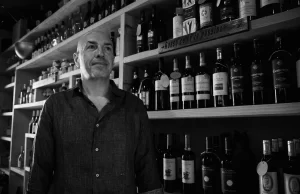
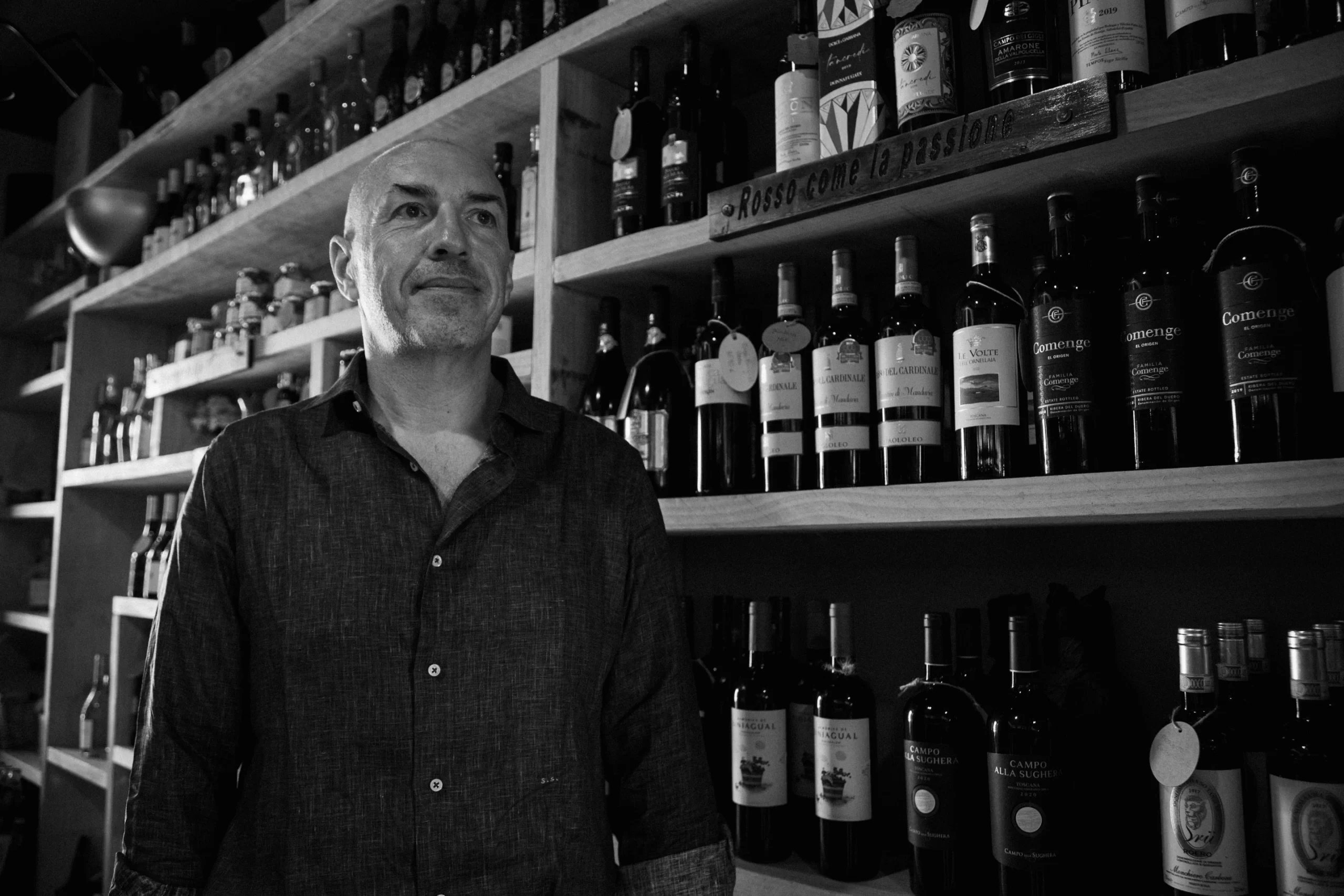
Twenty-five years in the Caribbean. That’s a long time to watch an industry change.
Saro Spadaro — Italian entrepreneur and President and CEO of The Maho Group — has been at the center of Sint Maarten’s hospitality and real estate scene long enough to see trends come and go. But artificial intelligence, he argues, isn’t a trend. It’s something fundamentally different.
Not Your Typical Hotel Executive
After graduating in Business Administration from Bocconi University, Spadaro didn’t take the expected path. He headed to the Caribbean, built a career there, and eventually grew The Maho Group into a recognized operator across resorts, residential developments, and tourism-related services. The company’s model is integrated by design — property development sitting alongside hospitality operations and guest-facing services, all under one roof.
Sint Maarten is the base. The ambition, though, is broader.
On AI: A Structural Shift, Not a Buzzword
Here’s where it gets interesting. While plenty of industry voices treat AI as a marketing talking point, Saro Spadaro frames it differently — as a structural change in how hospitality businesses actually function.
Guest expectations keep moving. Intelligent systems, he says, can help companies keep up: better responsiveness, smarter personalization, tighter operational efficiency. The digital side of hospitality is already shifting. Platforms need to be more intuitive, capable of supporting real interaction rather than forcing guests to wade through clunky menus and outdated booking flows.
That said, he’s not handing everything over to algorithms. Data protection matters. Practical value matters more than novelty.
The applications he points to are unglamorous — and that’s kind of the point. Predictive maintenance on hotel infrastructure. Inventory control in food and beverage. Energy management. Housekeeping and cleaning supply optimization. Operational organization across facilities.
None of that makes for a flashy press release. But it adds up: less waste, better service, more sustainability built into daily operations rather than bolted on as an afterthought.
The Part Technology Can’t Replace
Still, Spadaro draws a clear line. Hospitality is people-driven. Full stop.
AI can support teams. It can surface information faster, flag inefficiencies, help managers make better calls. What it can’t do is replace the human relationships that actually define how a guest remembers a stay. That’s not nostalgia talking — it’s a practical read on what the industry sells.
Technology, in his view, is a tool. A good one, when used well. But a tool nonetheless.
Hurricane Irma and What Leadership Actually Looks Like
- Hurricane Irma hit Sint Maarten hard — one of the most destructive storms the island had seen. Saro Spadaro stayed.
He coordinated evacuation efforts and reconstruction on the ground, side by side with his team. It’s the kind of moment that either confirms what people thought about a leader or completely reframes it. For Spadaro, it reinforced something he already believed: real leadership means being present when things fall apart, not managing from a distance.
The Long Game
The Maho Group keeps expanding. And as it does, the underlying philosophy stays consistent — innovation paired with sustainability, operational efficiency balanced against genuine guest care, strategic thinking grounded in practical execution.
The question Saro Spadaro seems to keep returning to isn’t “how much technology can we add?” It’s “what actually makes hospitality work?” Twenty-five years in, he’s still building toward an answer.